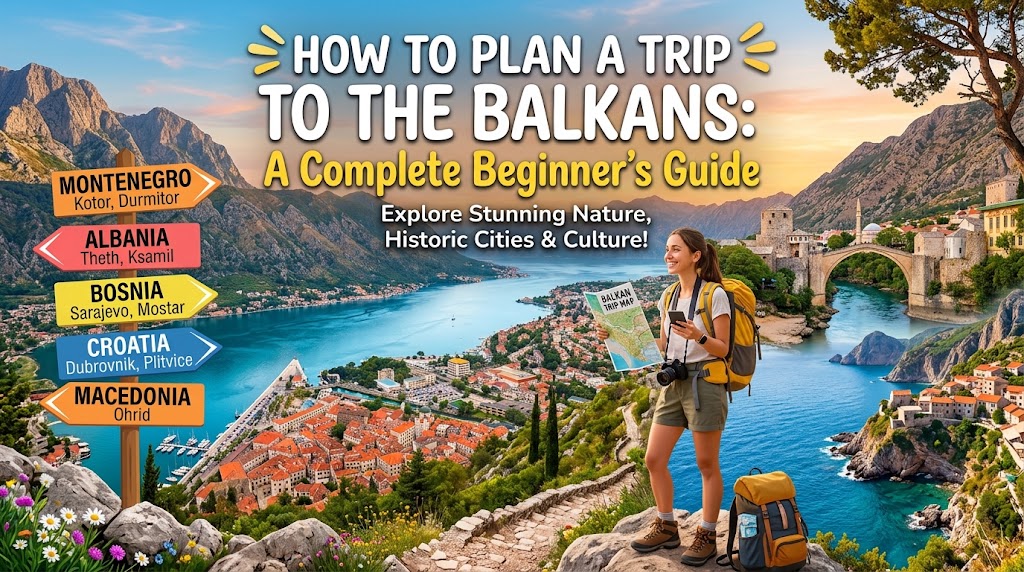
Planning a trip to the Balkans is an exciting way to discover historic cities, beautiful coastlines, mountain landscapes, traditional food, and different cultures in one journey. From Serbia and Bosnia and Herzegovina to Montenegro, Croatia, Greece, and Slovenia, the region offers something for almost every type of traveler.
However, with so many destinations to choose from, planning your first Balkan trip can feel overwhelming. Which countries should you visit? How many days do you need? Is it better to travel by bus, train, car, or private transfer?
This guide explains how to plan a trip to the Balkans, choose the right destinations, organize transportation, estimate your budget, and make the most of your time.
1. Choose Which Balkan Countries to Visit
The first step is deciding which countries fit your interests, budget, and available time. You do not need to visit every country on your first trip. Exploring two or three countries at a comfortable pace is often better than rushing through many destinations.
Serbia
Serbia is an excellent starting point for travelers interested in history, city life, local cuisine, nightlife, and nature. Belgrade offers lively streets and historic landmarks, while Novi Sad, Niš, Zlatibor, and Kopaonik provide different experiences beyond the capital.
Bosnia and Herzegovina
Bosnia and Herzegovina combines Ottoman heritage, Austro-Hungarian architecture, mountain scenery, and traditional food. Sarajevo and Mostar are popular choices, while Jajce and Trebinje are worth considering for a different experience.
Montenegro
Montenegro is known for its Adriatic coastline, dramatic mountains, and historic towns. Kotor, Budva, and the Bay of Kotor are popular destinations for travelers who want a combination of seaside scenery and cultural experiences.
Croatia
Croatia is a strong choice for travelers interested in coastal cities, islands, national parks, and historic architecture. Dubrovnik and Split are well-known destinations, while Plitvice Lakes National Park offers spectacular waterfalls and lakes.
Greece
Greece combines ancient history, Mediterranean food, beaches, and island travel. Athens is ideal for history lovers, Thessaloniki offers a vibrant urban atmosphere, and Meteora is famous for its monasteries and extraordinary rock formations.
Slovenia and North Macedonia
Slovenia is ideal for travelers who enjoy alpine scenery, lakes, outdoor activities, and charming towns. Lake Bled and Ljubljana are popular starting points.
North Macedonia offers historic towns, mountain landscapes, and the beautiful setting of Lake Ohrid.
Travel tip: Choose destinations that make geographical sense together. A shorter, well-planned route can be more enjoyable and less expensive than crossing the region repeatedly.
2. How Many Days Do You Need for a Balkan Trip?
The ideal length of your trip depends on how many countries you want to visit and whether you prefer cities, nature, beaches, or a combination of experiences.
3–5 Days
A short trip is best for one city or a small area.
Ideas include:
- A city break in Belgrade.
- A few days exploring Sarajevo and its surroundings.
- A visit to Ljubljana and Lake Bled.
- A city break in Athens or Thessaloniki.
7 Days
One week allows you to explore one country in more detail or combine two nearby destinations.
For example:
- Belgrade, Novi Sad, and another destination in Serbia.
- Sarajevo, Mostar, and nearby historic towns.
- Dubrovnik and other parts of southern Croatia.
- Ljubljana and selected destinations in Slovenia.
10–14 Days
Two weeks provide more flexibility for a multi-country itinerary.
You could combine Serbia and Bosnia and Herzegovina, explore parts of Croatia and Montenegro, or visit several destinations in Greece.
Allow enough time for transportation, border crossings, sightseeing, and rest. Travel between two cities may take longer than the distance on a map suggests.
3. Decide When to Visit the Balkans
The Balkans is a year-round destination, but the best time to visit depends on your plans.
Spring: March to May
Spring is a good time for city sightseeing, cultural attractions, and nature trips. Temperatures gradually become warmer, although mountain weather can remain unpredictable.
Summer: June to August
Summer is ideal for Adriatic beaches, swimming, island trips, and outdoor events. Coastal destinations can become crowded, and accommodation prices may rise during peak season.
Autumn: September to November
Early autumn is an attractive period for city breaks, food experiences, hiking, and exploring historic towns. Coastal destinations can remain pleasant in September and sometimes October.
Winter: December to February
Winter is suitable for Christmas markets, winter city breaks, and skiing in mountain resorts such as Kopaonik. Coastal areas are generally quieter, and some seasonal tourist services may operate on reduced schedules.
Our recommendation: For a combination of city sightseeing and nature, consider spring or early autumn. For a beach holiday, summer is usually the main season.
4. How to Travel Around the Balkans
Transportation is one of the most important parts of planning a Balkan trip. The best option depends on your route, budget, and travel style.
By Bus
Buses connect many cities and towns throughout the region. They can be a practical option for travelers who want to avoid driving.
Before departure, check:
- Departure and arrival stations.
- Whether tickets must be purchased in advance.
- Luggage rules and additional fees.
- The duration of the journey.
- Whether the route crosses an international border.
Not every destination has frequent direct connections, so check schedules before booking accommodation.
By Train
Train travel is available on selected routes, but railway connections and journey times vary significantly between countries.
Check the current timetable before building your itinerary around a train journey. Do not assume that every neighboring capital has a convenient direct rail connection.
By Car
Renting a car can be especially useful for visiting national parks, mountain villages, viewpoints, and destinations with limited public transportation.
Before renting a vehicle, check:
- Whether cross-border travel is permitted.
- Insurance coverage in every country on your route.
- Toll roads and parking costs.
- Required driving documents.
- Local traffic rules and road conditions.
Always obtain the rental company’s permission before taking a vehicle across an international border.
By Plane
Flying can save time when traveling between destinations that are far apart. Compare the total cost, including baggage, airport transfers, and travel time to and from the airport.
For a multi-country itinerary, a combination of flights, buses, trains, and private transfers may be the most practical solution.
Private Transfer by Car
For comfortable and convenient travel around the Balkans, consider booking a private transfer with Fox 369 Private Transport Service.
Whether you need transportation between destinations, a transfer to your accommodation, or a ride to a sightseeing location, private transport can make your journey easier and more flexible than relying on public transportation.
Private transfers can be a convenient option for couples, families, small groups, and travelers who prefer a more personalized travel experience.
Contact Fox 369 Private Transport Service to discuss your destination, pickup location, travel dates, and transfer requirements. Confirm availability, pricing, and the exact route before booking.
5. How Much Does a Trip to the Balkans Cost?
Your budget depends on the countries you visit, your accommodation, the season, transportation, and the activities you choose.
Accommodation
Hostels, guesthouses, apartments, and hotels offer different price levels. Booking early can provide more choice, especially during summer and major local events.
Food and Drinks
Local bakeries, markets, family-run restaurants, and traditional tavernas can help you experience regional cuisine while managing your budget.
Try local specialties in each destination instead of relying exclusively on international restaurant chains.
Transportation
Include intercity tickets, local buses, taxis, fuel, parking, tolls, and airport transfers in your budget.
If you plan to travel by private transfer, request a quote in advance and compare the cost with other transportation options.
Attractions and Activities
Some historic neighborhoods and outdoor areas can be explored independently, while museums, guided tours, national parks, boat trips, and organized excursions may require tickets.
Check official attraction websites for current admission prices and opening arrangements.
Budget tip: Create a daily budget for accommodation, meals, transportation, and activities. Keep an additional amount available for unexpected expenses.
6. Travel Documents and Border Crossings
If you plan to visit several Balkan countries, check the entry requirements for every country on your itinerary before departure.
Requirements depend on your citizenship, passport, residence status, and the countries you intend to visit.
Before traveling:
- Check whether you need a visa.
- Verify passport validity requirements.
- Confirm whether any additional documents are necessary.
- Check border-crossing rules for your chosen route.
- Make sure your travel insurance covers the countries you will visit.
Do not assume that the same entry rules apply throughout the Balkans. Some countries are members of the European Union or the Schengen Area, while others follow different arrangements.
For reliable information, consult the official immigration or foreign ministry website of each destination.
If you are renting a car, check the vehicle’s insurance and cross-border permissions separately from your personal entry requirements.
7. Where Should You Stay?
Choosing the right accommodation can make your trip more convenient and help you save time.
Stay in City Centers for Short Visits
If you have only one or two days in a city, staying near the historic center or main attractions can reduce transportation costs and make sightseeing easier.
Choose Smaller Towns for Nature Trips
For national parks, mountain areas, and rural destinations, consider staying in a nearby town or guesthouse. Check public transportation availability and driving times before booking.
Book Coastal Destinations Early
Popular coastal towns can become busy during summer. Reserving accommodation in advance gives you more options, particularly if you need parking or a family room.
Check the Practical Details
Before confirming a reservation, check the location, cancellation policy, parking arrangements, check-in times, and recent guest reviews.
A cheaper room outside the center is not always better value if it requires expensive or inconvenient transportation every day.
8. What Should You Pack for the Balkans?
Your packing list should reflect the season, the countries you plan to visit, and the activities on your itinerary.
Useful items include:
- Comfortable walking shoes.
- Clothing suitable for changing weather.
- A light rain jacket.
- A reusable water bottle.
- A power bank and charging cables.
- Copies of important travel documents.
- Travel insurance information.
- Any personal medication you need.
- A small day bag for sightseeing.
For hiking or mountain trips, bring suitable footwear and additional layers. If your itinerary includes beaches, cities, and mountains, pack clothing that can be used in different settings.
Check the weather forecast shortly before departure rather than relying only on seasonal averages.
9. Essential Tips for First-Time Visitors
A little preparation can make traveling around the Balkans much easier.
- Do not plan too many destinations. Allow time to enjoy each place instead of spending most of your holiday in transit.
- Carry a payment card and some local currency. Payment methods vary, particularly in smaller towns and rural areas.
- Check public transport schedules in advance. Some routes have limited departures, especially outside the main tourist season.
- Learn a few local phrases. Simple greetings and expressions of thanks are appreciated.
- Respect local customs. Dress appropriately when visiting religious sites and follow posted rules.
- Keep digital copies of important documents. Store them securely and keep original documents safe.
- Check mobile data and roaming charges. Do not assume that one mobile plan covers every country on your itinerary.
- Verify opening hours before visiting attractions. Museums, parks, and seasonal activities may have different schedules.
- Travel responsibly. Respect nature, follow marked trails, and support local businesses where possible.
Most importantly, stay flexible. Weather, transportation delays, and unexpected discoveries can all change your plans.
10. Sample 10-Day Balkan Itinerary
If this is your first visit, start with a manageable route instead of trying to see the entire region.
Here is an example of a trip focused on Serbia and Bosnia and Herzegovina.
Days 1–3: Belgrade, Serbia
Explore Belgrade’s historic landmarks, riverside areas, museums, neighborhoods, and traditional restaurants.
Day 4: Novi Sad, Serbia
Visit the city center, explore Petrovaradin Fortress, and enjoy the relaxed atmosphere of this northern Serbian city.
Days 5–7: Sarajevo, Bosnia and Herzegovina
Discover the historic Baščaršija area, local markets, religious architecture, museums, and Bosnian cuisine.
Allow enough time for the journey between Serbia and Bosnia and Herzegovina, including the border crossing.
Days 8–9: Mostar, Bosnia and Herzegovina
Explore the Old Bridge, historic streets, local restaurants, and surrounding attractions.
Day 10: Return or Continue Your Journey
Depending on your departure arrangements, return to your starting point or continue to another destination.
Important: This is a sample itinerary, not a fixed transport schedule. Check current connections, border requirements, and journey times before booking.
For a more flexible journey, you can also enquire about private transportation with Fox 369 Private Transport Service. Confirm the route, availability, and price before making arrangements.
FAQ – Planning a Trip to the Balkans
What is the best way to plan a Balkan trip?
Start by choosing two or three destinations that fit your interests and available time. Then organize transportation, accommodation, entry requirements, and a realistic daily budget.
How many countries should I visit on my first Balkan trip?
For a trip of seven to ten days, two or three countries can be a comfortable starting point. The ideal number depends on travel distances and how much time you want to spend in each destination.
Is the Balkans suitable for budget travelers?
The region offers a range of accommodation, food, and transportation options. Costs vary by country, destination, and season, so compare the full cost of your planned itinerary before booking.
Is it possible to travel around the Balkans without a car?
Yes. Buses and selected train routes connect many destinations. However, some rural areas and natural attractions are easier to reach by car or private transfer.
Do I need a visa to visit the Balkans?
Visa requirements depend on your nationality and the countries you intend to visit. Check official government sources for each destination before departure.
When is the best time to visit the Balkans?
Spring and early autumn are good choices for many city and nature trips. Summer is popular for the coast, while winter is suitable for skiing and winter destinations.
Is ten days enough to explore the Balkans?
Ten days is enough for a carefully planned trip through a small part of the region. It is not enough to explore every country in depth.
🔗 See Also
Continue planning your trip with these destination guides from Travel Balkan:
- Belgrade Travel Guide
- Novi Sad Travel Guide
- Niš Travel Guide
- Thessaloniki Travel Guide
- Meteora Travel Guide
- Kopaonik Ski Resort Guide
Explore more destinations and practical advice with Travel Balkan, and start planning your next journey through Southeast Europe.