Serbia’s capital of history, culture and nightlife
Where is Belgrade and why visit it?
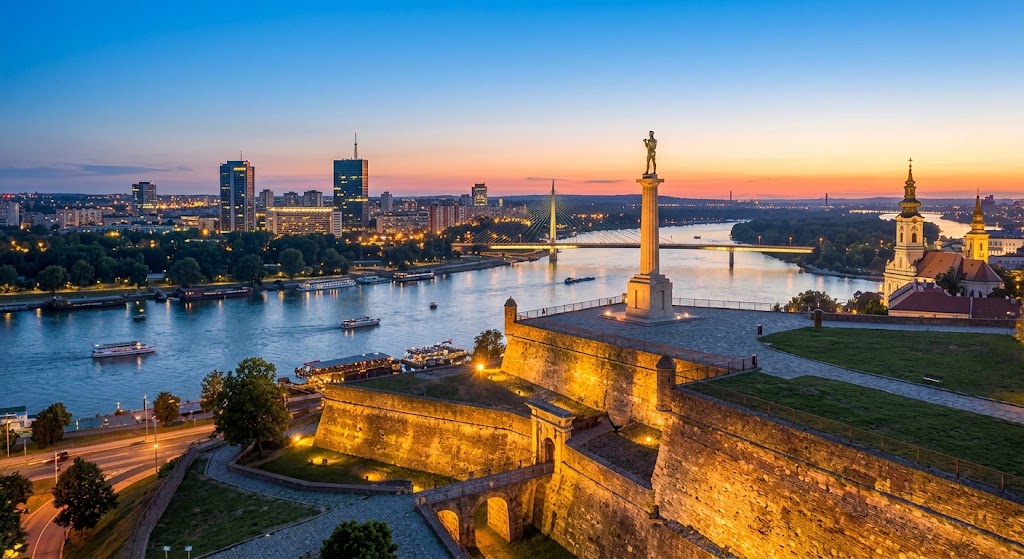
Belgrade is the capital and largest city of Serbia, located where the Sava and Danube rivers meet. It is one of the oldest cities in Europe, with a history spanning thousands of years, but also one of the most modern and energetic cities in the Balkans today.
Visitors come to Belgrade for its mix of history, vibrant nightlife, cultural landmarks, and affordable travel experience compared to most European capitals.
Top attractions in Belgrade
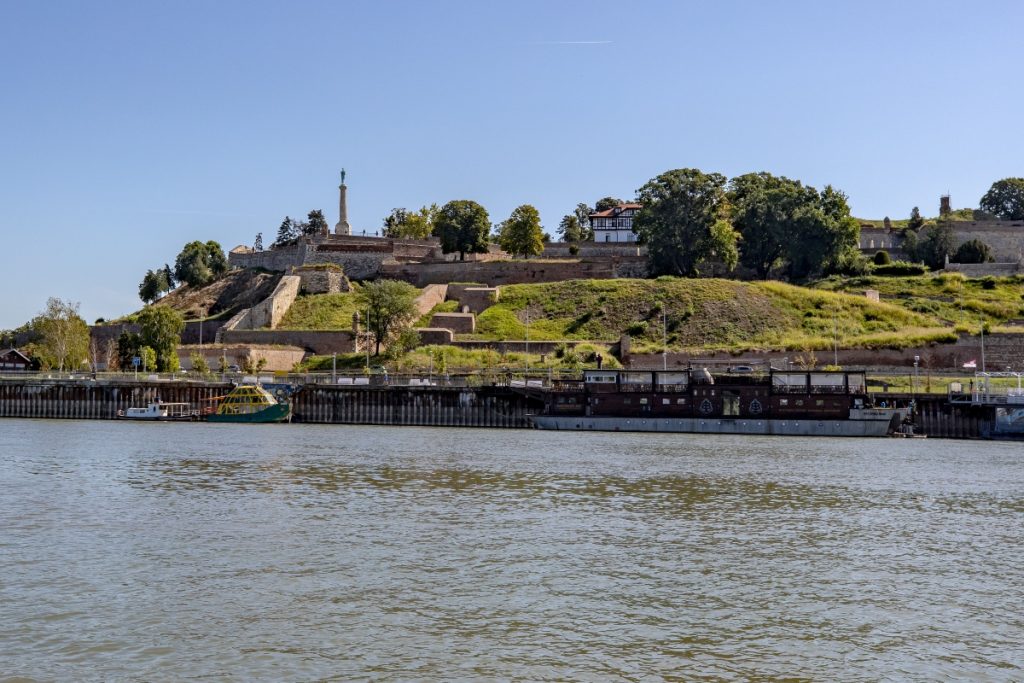
Kalemegdan Fortress
Kalemegdan is the most famous historical site in Belgrade. It offers panoramic views of the rivers, large park areas, ancient walls, and museums. It is the best place to understand the city’s history.
Knez Mihailova street
The main pedestrian and shopping street in Belgrade, filled with cafés, shops, street performers, and historic architecture.
Skadarlija
The bohemian quarter of Belgrade, known for cobblestone streets, traditional restaurants (kafanas), and live music. It is often called the “Montmartre of Belgrade”.
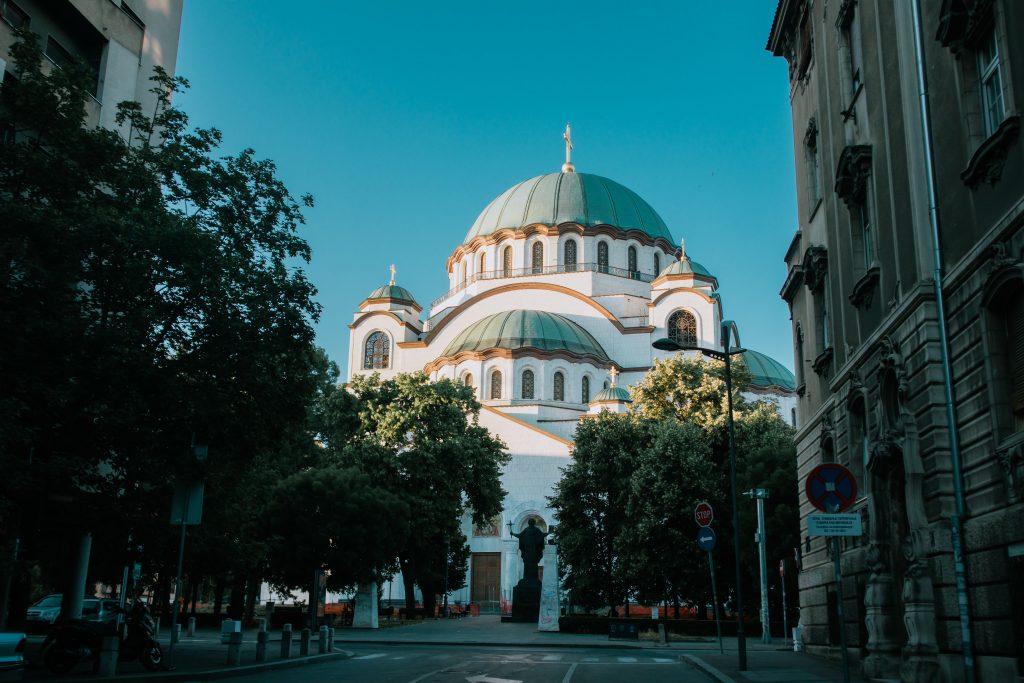
Temple of saint Sava
One of the largest Orthodox churches in the world. Its massive white exterior and golden mosaics inside make it one of the city’s most impressive landmarks.
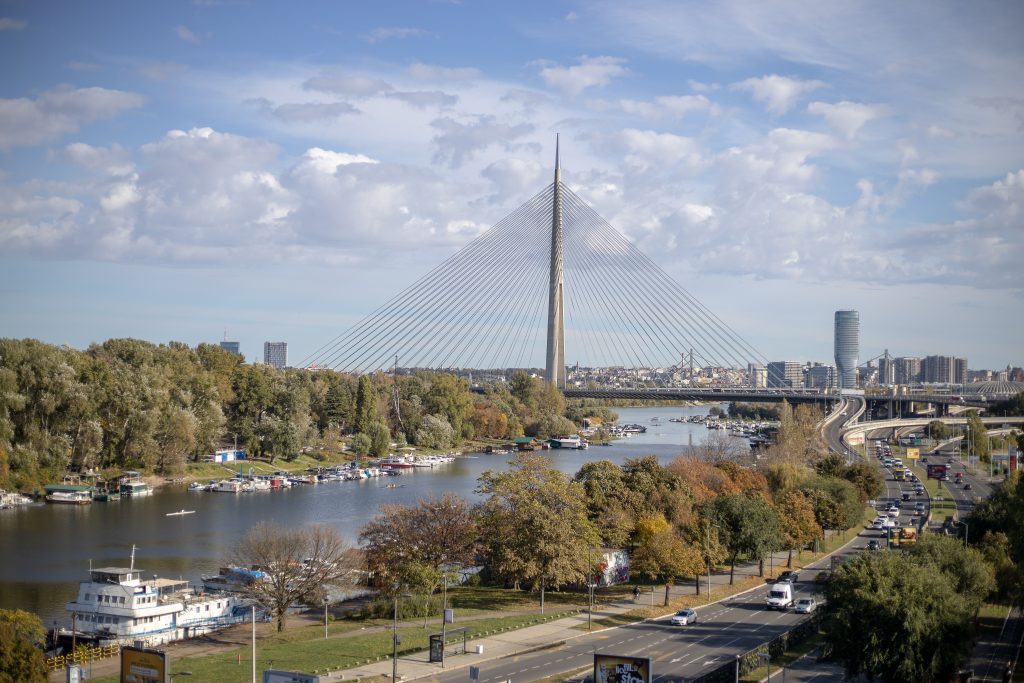
Ada ciganlija
A river island turned recreational zone, popular for swimming, cycling, sports, and summer activities. Locals call it “Belgrade’s sea”.
Best things to do in Belgrade
Belgrade is known for its energetic lifestyle and entertainment options.
- Take a river cruise on the Sava and Danube
- Experience nightlife on floating river clubs (splavovi)
- Visit museums such as the Nikola Tesla Museum
- Explore local cafés and cultural spots in the city center
- Shop in modern malls or local open-air markets
Food in Belgrade – what to try
Serbian cuisine is rich, traditional, and full of flavor.
- Ćevapi – grilled minced meat served with bread and onions
- Pljeskavica – Serbian-style burger
- Sarma – cabbage rolls stuffed with meat and rice
- Kajmak – creamy dairy spread
- Rakija – traditional fruit brandy
The best dining experience is in traditional kafanas in Skadarlija or modern Serbian restaurants across the city.
How to get to Belgrade
By air
Belgrade Nikola Tesla Airport connects the city with most European destinations.
By bus
Belgrade is well connected with all Balkan countries via frequent international bus lines.
By train
Train connections exist but are slower compared to buses.
Private Transfer by car
For private and comfortable transportation, you can also use Fox 369 PRIVATE TRASPORT SERVICE, which offers direct rides from Belgrade and other cities to Subotica and Palić, ideal for tourists who want a fast and stress-free trip.
Best time to visit Belgrade
- Spring (April–June): Best weather for walking and sightseeing
- Summer (July–August): Festivals and nightlife peak season
- Autumn (September–October): Pleasant weather, fewer crowds
- Winter: Quiet atmosphere and holiday decorations
FAQ – Belgrade travel guide
Is Belgrade worth visiting?
Yes. Belgrade is one of the most interesting and affordable capitals in Europe, offering a mix of history, culture, and nightlife.
How many days do you need in Belgrade?
2–4 days is enough for main attractions, while 5 days allows a more relaxed experience.
Is Belgrade expensive?
No. Compared to Western Europe, Belgrade is very affordable for food, transport, and accommodation.
What is Belgrade famous for?
It is famous for Kalemegdan Fortress, nightlife on river clubs, and its mix of Eastern and Western cultural influences.
Is Belgrade safe for tourists?
Yes. The city is generally safe, especially in central and tourist areas.