
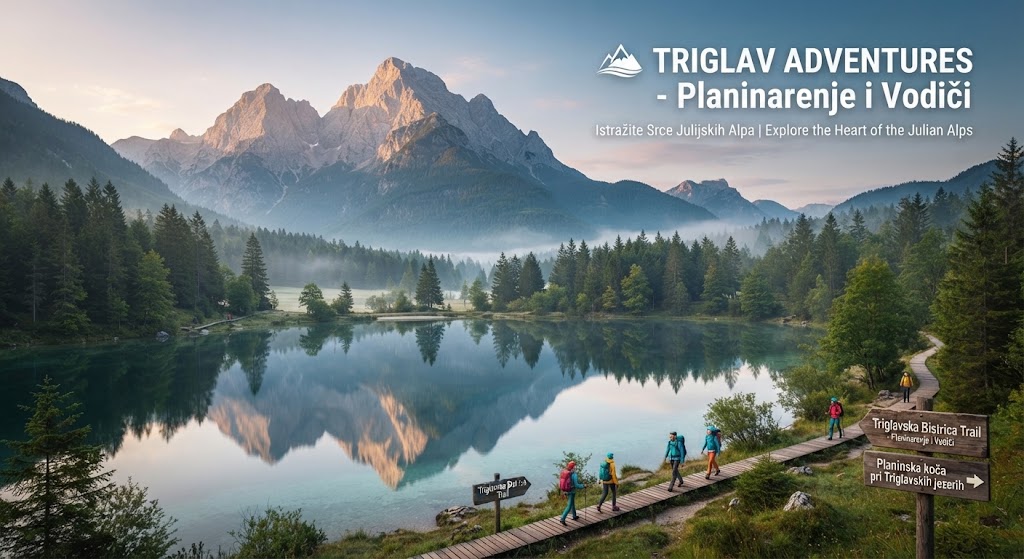
Triglav National Park (Slovenian: Triglavski narodni park) is Slovenia’s only national park and one of Europe’s oldest natural reserves. Nestled in the heart of the Julian Alps, the park takes its name from Mount Triglav—Slovenia’s highest peak at 2,864 meters. It is a true paradise of rugged limestone peaks, emerald-green rivers, dense forests, and crystal-clear glacial lakes.
Why Visit Triglav National Park?
The park offers a unique alpine experience, breathtaking landscapes, and endless outdoor adventures. Key reasons to visit include:
- Magnificent alpine peaks and dramatic mountain passes
- The emerald-blue Soča River and its stunning valley
- Pristine glacial lakes like Lake Bohinj
- Scenic waterfalls and hidden gorges (such as Vintgar)
- World-class hiking and mountaineering trails for all fitness levels
Best Things to See and Do
- Lake Bohinj: Unlike its more commercial neighbor Lake Bled, Bohinj offers a serene, untouched alpine experience. It is ideal for swimming, kayaking, stand-up paddleboarding (SUP), or taking a peaceful boat ride.
- The Soča River Valley: Known as the “Emerald Beauty,” the Soča River boasts striking turquoise-blue water and serves as a premier spot for whitewater rafting, kayaking, and hiking along the famous Soča Trail.
- Vintgar Gorge: A stunning 1.6-kilometer boardwalk trail running alongside the Radovna River, leading up to the crashing Šum Waterfall.
- Vršič Pass: The highest mountain pass in the Eastern Julian Alps, featuring historic cobblestone hairpin turns, panoramic lookouts, and access to surrounding climbing and hiking routes.
- The Triglav Lakes Valley (Seven Lakes): A classic Slovenian hiking route taking you past a series of stunning high-alpine lakes through rugged limestone terrain.
- Spectacular Waterfalls: Don’t miss the 78-meter Savica Waterfall (where water emerges mysteriously from a subterranean karst wall) and Peričnik Waterfall, where you can safely walk behind the cascading sheet of water.
Nature and Outdoor Activities
Beyond sightseeing, the park is a premier hub for outdoor adventure:
- Hiking & Mountaineering: Trails range from easy valley walks (like the Mostnica Gorge) to intense multi-day summit pushes up Mount Triglav (which requires proper via ferrata gear).
- Water Sports: Rafting, canyoning, and kayaking on the Soča River, or leisurely water sports on Lake Bohinj.
- Vogel Cable Car: Take the cable car from Lake Bohinj up to 1,537 meters for sweeping panoramic views of the Julian Alps.
Local Food and Traditional Cuisine
After a day of outdoor adventures, you can enjoy authentic Slovenian cuisine at local restaurants and mountain huts:
- Carniolan sausage (Kranjska klobasa)
- Jota stew (hearty bean and sauerkraut soup)
- Štruklji (sweet or savory rolled dumplings)
- Wild mushroom dishes
- Local cheeses and Slovenian wines
Best Time to Visit
- Spring: Comfortable weather, waking nature, and fewer crowds make this an excellent season.
- Summer (June–September): Peak season offering the best weather for high-altitude hiking and swimming, though advance booking for accommodation is highly recommended.
- Autumn: Beautiful foliage colors and pleasant temperatures make it a favorite for photographers and nature lovers.
- Winter: A magical season for ski touring, snowshoeing, and cross-country skiing.
How to Get There
- By Car: Driving is the best and most flexible way to navigate the winding mountain roads and reach remote trailheads.
- By Bus / Eco-Buses: Regular eco-buses operate between major tourism hubs (like Bled, Bohinj, and Kranjska Gora) during the peak summer months.
- Private Transfer by car. For private and comfortable transportation, you can also use Fox 369 PRIVATE TRASPORT SERVICE
Travel Tips
- Pack Layers: Mountain weather can change rapidly, and sudden afternoon thunderstorms are common in the summer. Always pack rain gear and warm layers.
- Wear Proper Footwear: Sturdy hiking boots are essential for exploring the park’s rugged terrain.
- Leave No Trace: While much of the water from park streams is pure, visitors are expected to strictly respect local wildlife, stick to designated paths, and manage waste responsibly.


