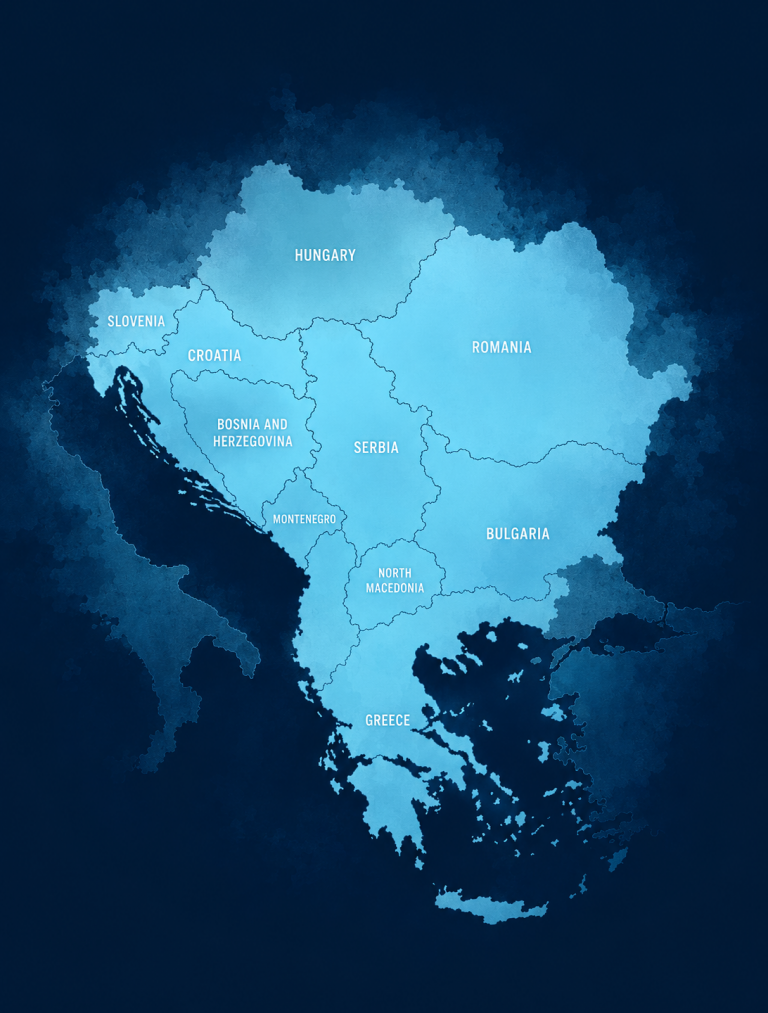
Dubrovnik and Kotor already have the crowds. Albania’s beaches are catching up fast. Lake Bled stopped being a secret years ago.
The quieter Balkans begin a little farther down the road. Inland, old fortresses still overlook ordinary neighborhoods. Mountain cafés belong to the people who live nearby. Along the lakes, evening walkers usually outnumber tour groups.
That may change. Visitor numbers are rising across the region, and places once treated as detours are beginning to appear on longer European itineraries.
For now, these ten destinations still give you some room.
1. Pogradec, Albania
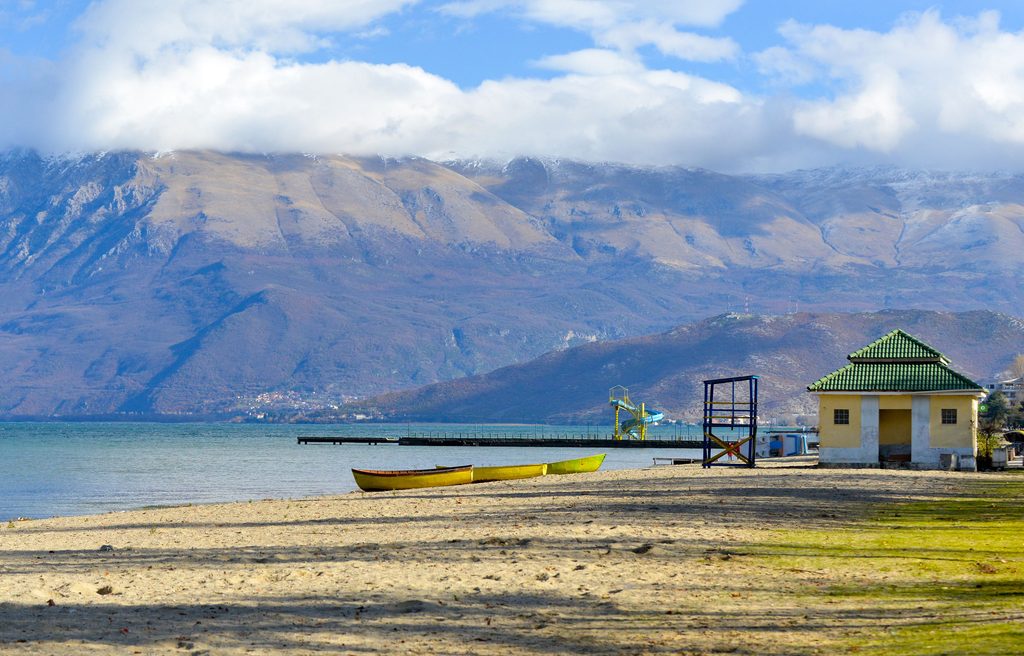
Lake Ohrid is famous. Pogradec, on its Albanian shore, remains far less known. The town runs along the water, and much of its charm appears toward evening. Families come out for a walk. Bikes pass along the promenade. Restaurant tables begin filling without the whole place suddenly feeling busy.
Tushemisht and Drilon are close by, with springs, shaded paths and places to eat beside the water. Pogradec also has an old town, a castle and access to the historic settlement of Lin.
Then there is the lake itself. Lake Ohrid is believed to be roughly two to three million years old, and its Albanian side became part of the UNESCO World Heritage property in 2019.
That history is difficult to grasp while sitting with a coffee by the shore. Perhaps that is part of the appeal.
Go for: lake views, relaxed evenings, cycling and access to Tushemisht and Drilon.
Best time: May, June or September.
2. Përmet, Albania
Përmet is what Albania looks like when the sea disappears from the picture.
Mountains gather around the town. The Vjosa Valley lies nearby. Roads run toward villages, riverbanks and hills instead of beaches and resorts.
Most visitors eventually make their way to Bënja, where warm mineral pools sit beside Lengarica Canyon beneath an old stone bridge. The water stays around 23 to 28°C.
It would be easy to build the entire visit around the springs. Better not to.
Përmet works when the schedule gets loose. Lunch takes longer than expected. A short drive turns into an afternoon. Someone recommends another village, another restaurant, another bend in the river.
Soon enough, the day is gone. And if a visit begins to feel less like a holiday and more like a place you could call home, personal relocation services can help make a permanent move easier to plan.
Go for: thermal springs, mountain scenery, traditional food and hikes around the Vjosa Valley.
Best time: May through June or September through early October.
3. Trebinje, Bosnia and Herzegovina
Dubrovnik is close. It doesn’t feel close.
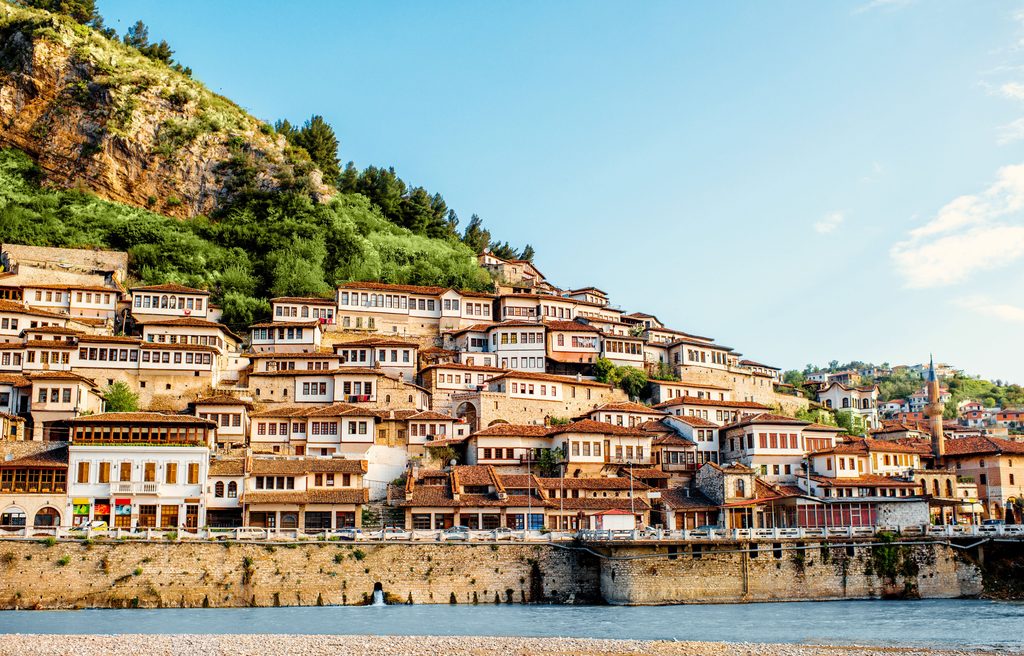
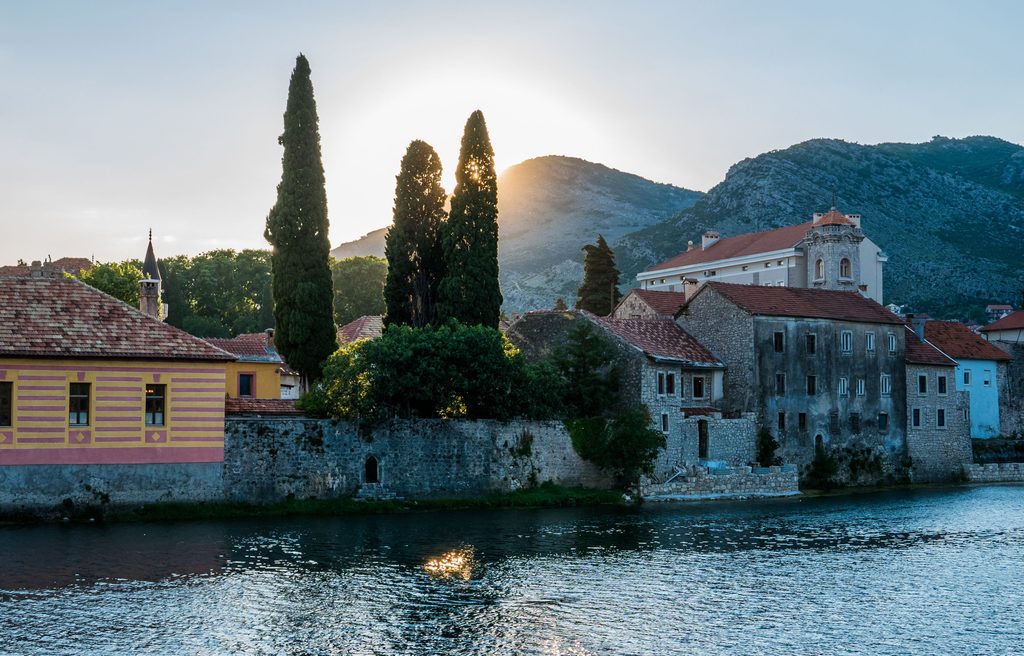
Trebinje has stone streets and handsome old buildings, but very little of the pressure found on the Croatian coast. The Trebišnjica River cuts through town, cafés spread into the squares, and the Arslanagić Bridge stands quietly over the water.
The bridge has already survived one major disruption. When a dam threatened its original site, it was taken apart and rebuilt upstream.
There is something very Balkan about that story. Even the landmarks have had to move.
Vineyards surround Trebinje, and local wine gives you another reason not to rush back toward the coast.
Stay the night. Better yet, stay two.
Go for: Ottoman architecture, riverside cafés, local vineyards and slow evenings in the old town.
Best time: April through June or September through October.
4. Jajce, Bosnia and Herzegovina
Jajce has a waterfall in the middle of town.
Not nearby. Not at the end of a forest trail. Right there.
The Pliva River drops into the Vrbas below a medieval town where a fortress, old streets and rock-cut catacombs sit above the water. Jajce was once part of the royal center of the Bosnian Kingdom, and history is layered tightly here.
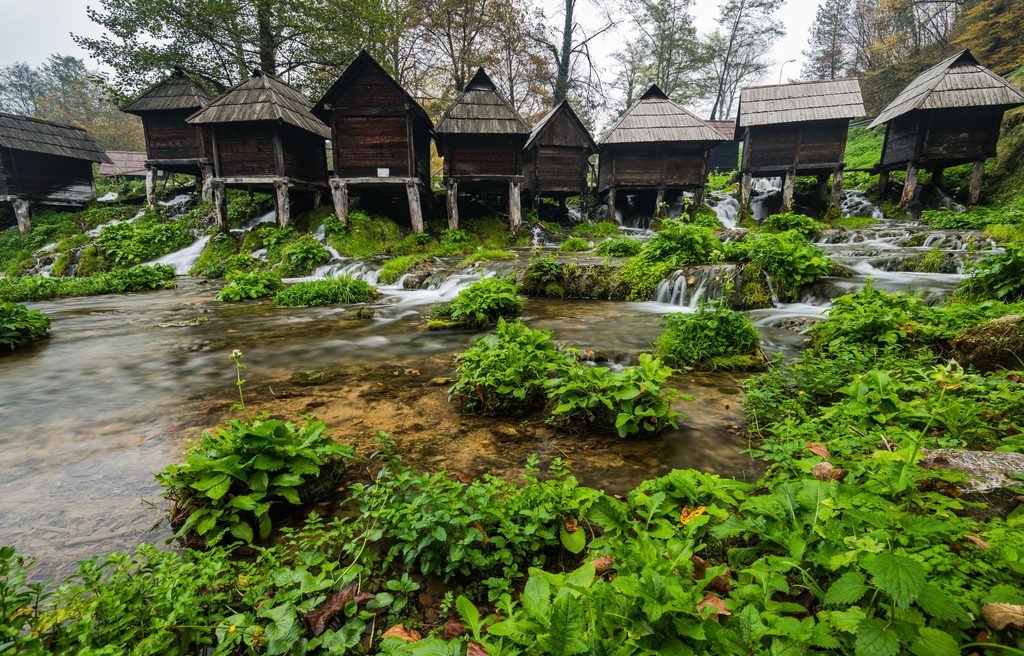
Outside town, the Pliva Lakes are quieter. Small wooden watermills stand beside the water, looking almost too delicate to have spent generations doing real work.
Plenty of people visit Jajce for a few hours.
The better version begins after they leave.
Go for: the Pliva Waterfall, medieval history, lakeside scenery and traditional watermills.
Best time: May through June or September.
5. Prizren, Kosovo
Prizren makes a strong first impression without appearing to try very hard.
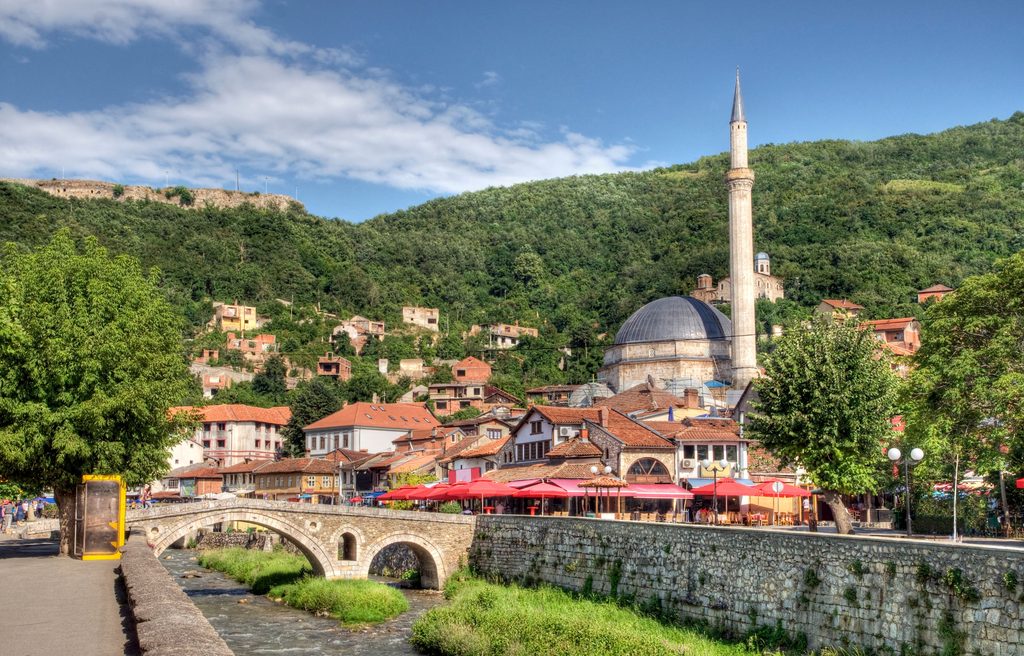
The Lumbardhi River runs through the center. The Stone Bridge crosses it. Sinan Pasha Mosque rises above the roofs, and the mountains sit behind everything.
The fortress is higher still.
Walk up before sunset and wait for the light to change. Below, the city begins its evening routine. Shadërvan fills with people. Chairs move onto pavements. Coffee arrives. Nobody seems particularly interested in hurrying home.
Kosovo’s foreign hotel visitor numbers rose 9.4% in 2025. If one city is likely to become the country’s best-known stop for international travelers, Prizren is an obvious candidate.
For now, it still feels like a city first and a destination second.
Go for: Ottoman heritage, fortress sunsets, riverside cafés and an atmospheric old center.
Best time: April through June or September through October.
6. Kruševo, North Macedonia
At more than 1,300 meters above sea level, Kruševo has the great summer advantage of being cooler than much of the region below.
Old houses cling to Kruševo’s steep streets, their red roofs stacked against the mountain slopes. Above them rises the Makedonium, an unconventional monument that somehow seems to belong exactly where it is.
Kruševo is also well known among people who spend their holidays jumping from mountains.
Paragliders have been coming here for years. The conditions are good enough to give the town a reputation far beyond North Macedonia, at least among pilots.
Everyone else is still catching up.
Go for: mountain views, paragliding, traditional architecture and revolutionary history.
Best time: May through September, especially June and September for hiking and outdoor activities.
7. Berovo, North Macedonia
After several Balkan cities, another fortress can begin to feel like homework.
Berovo is a useful cure.
The town sits close to the Maleševo Mountains, surrounded by forest, walking trails and Berovo Lake. You can hike. You can kayak. You can visit the early 19th-century Monastery of St. Archangel Michael.
Or you can spend half the afternoon eating local cheese and doing very little.
That last option deserves more respect than it usually gets.
Berovo is not a place that demands a checklist. Give it two days and let the hours sort themselves out.
Go for: forest walks, Berovo Lake, mountain food, kayaking and genuinely quiet days.
Best time: May through June or September through early October.
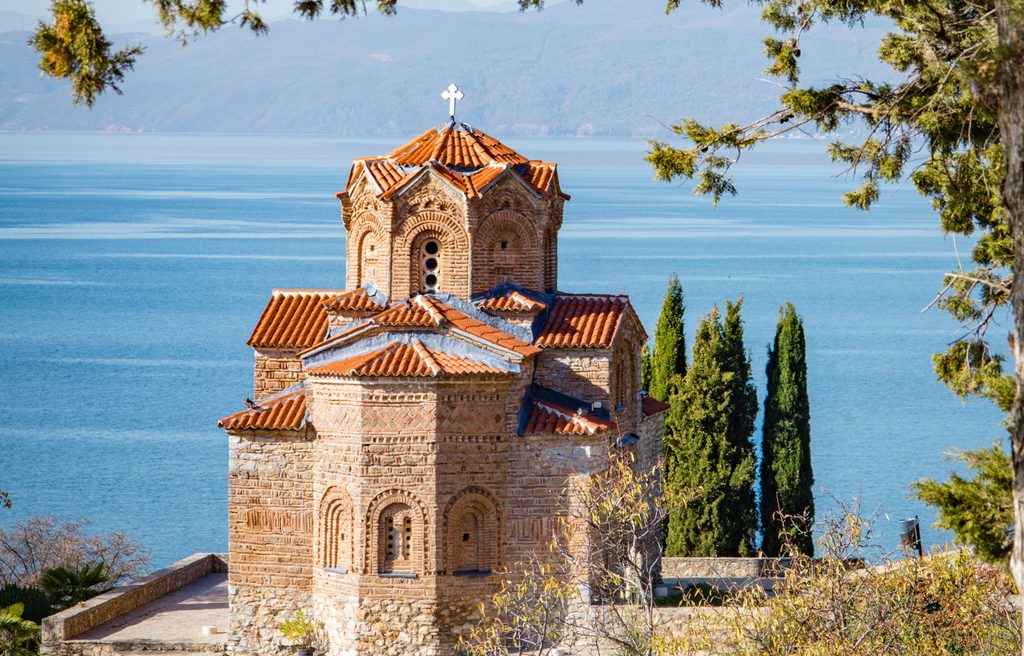
8. Belogradchik, Bulgaria
The rocks around Belogradchik look exaggerated.
Huge reddish formations rise from northwest Bulgaria in shapes that people have spent generations naming after animals, people and castles. Among them sits the Kaleto fortress.
Parts of the fortifications go back to Roman times. Later rulers expanded them, using the cliffs as ready-made defensive walls.
The result is strange in the best way. In places, you can’t quite tell where the fortress stops and the mountain begins.
Walk beyond the main site and the rocks continue across the countryside.
For scenery this unusual, Belogradchik remains remarkably quiet.
Go for: dramatic rock formations, fortress views, hiking and landscape photography.
Best time: April through June or September through October.
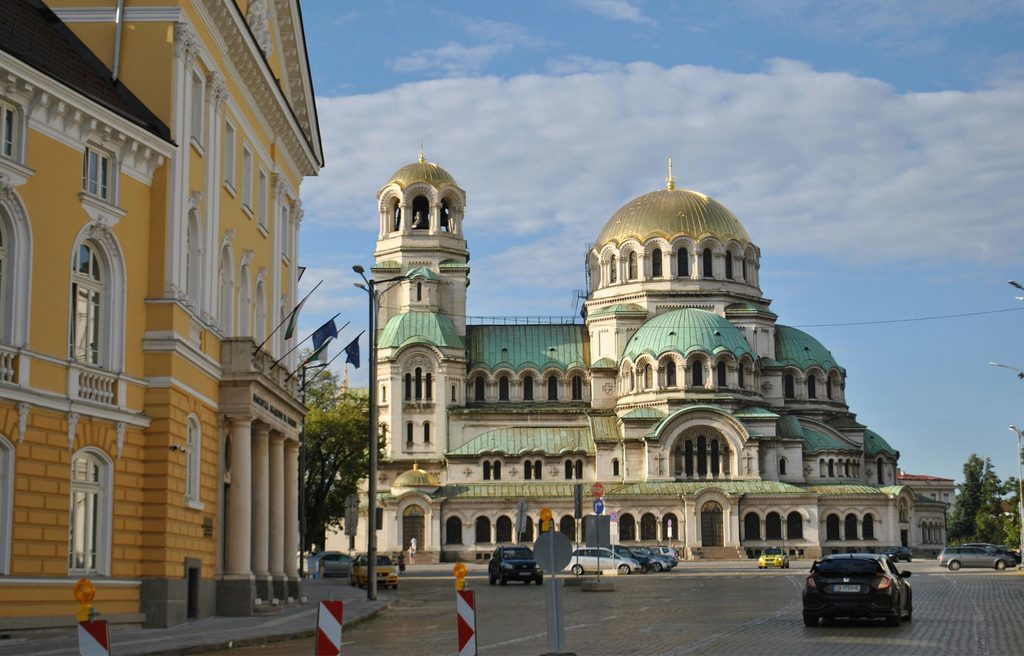
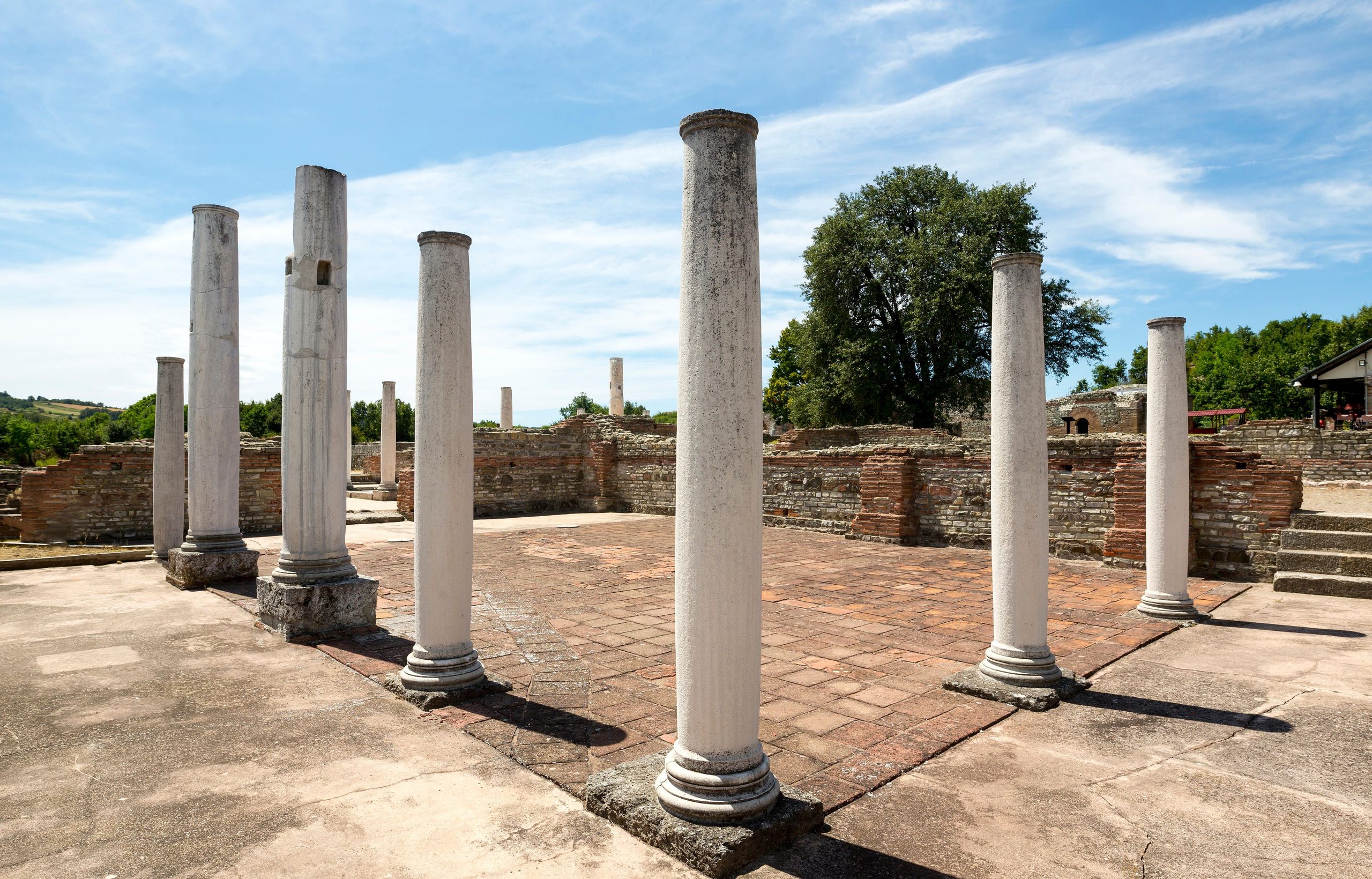
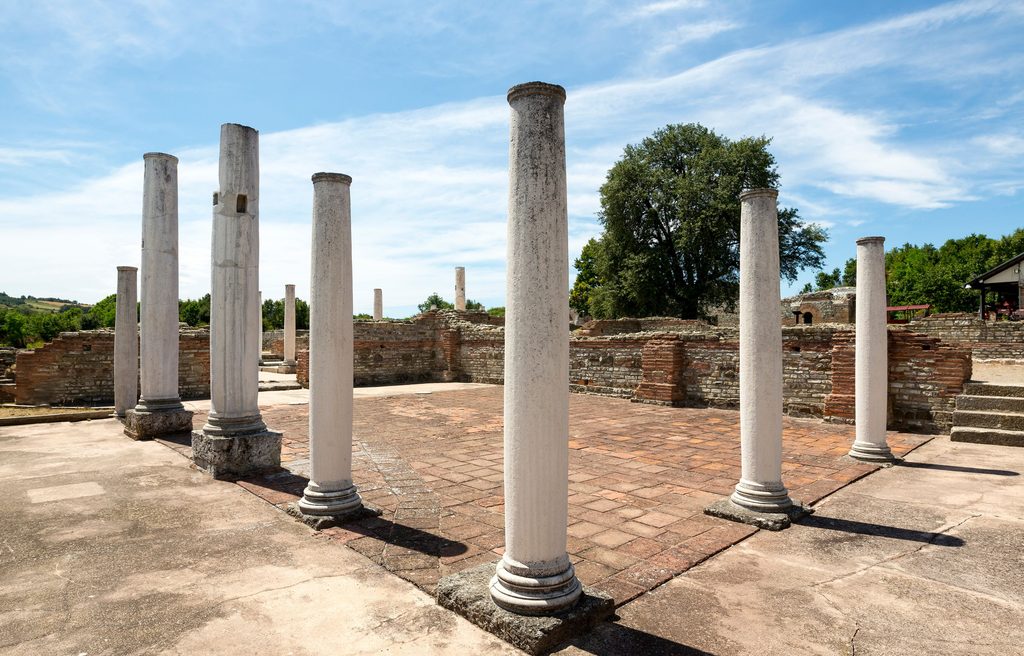
9. Gamzigrad and Felix Romuliana, Serbia
Famous Roman ruins often come with a modern city of their own: ticket offices, queues, buses, guides, souvenir stands.
Felix Romuliana is different.
The palace complex at Gamzigrad in eastern Serbia was built for the Roman Emperor Galerius around the end of the third and beginning of the fourth century.
What remains includes fortifications, palaces, temples, baths, basilicas and ceremonial buildings. UNESCO recognizes the archaeological complex as a World Heritage Site.
Yet it can still feel remarkably empty.
There is no need to fight for a view of the stones. No crowd pushing you toward the next room. You can stand there long enough for the scale of the place to sink in.
Ancient ruins benefit from silence.
Go for: Roman history, UNESCO-listed ruins, archaeology and uncrowded cultural exploration.
Best time: April through June or September through October, when walking the archaeological site is more comfortable.
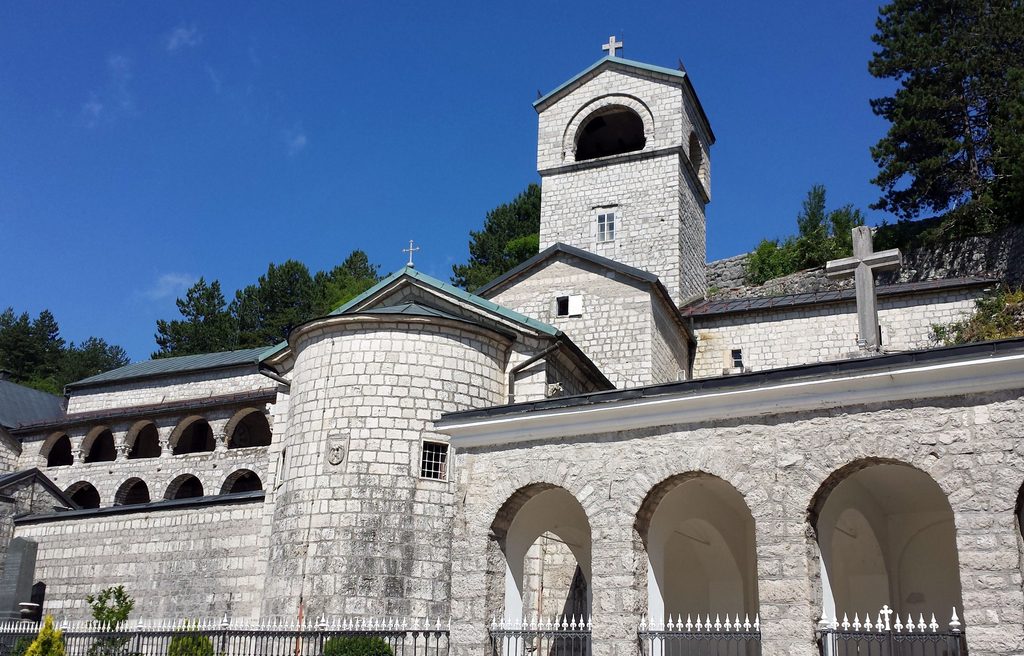
10. Cetinje, Montenegro
Montenegro’s coast has an unfair advantage.
Kotor Bay is so dramatic that visitors understandably devote most of their trip to it. In 2025, seaside resorts accounted for 92.6% of Montenegro’s overnight stays.
Cetinje sits inland and seems to belong to another country.
The former royal capital has old residences, embassies, museums and buildings linked to the Petrović dynasty. King Nikola’s Palace is here, as is the Biljarda. The mountains close in around the city, with Lovćen National Park nearby.
Cetinje does not compete with Kotor for spectacle.
It tells a different story. The coast shows why people come to Montenegro. Cetinje helps explain the country they have arrived in.
Go for: royal history, museums, traditional architecture and easy access to Lovćen National Park.
Best time: May through June or September through early October.
Why Should You Visit the Balkans Before the Quieter Places Become Famous?
None of these towns is empty. Prizren gets busy. Pogradec has crowded summer weekends. Jajce is hardly unknown to people from Bosnia and neighboring countries.
What changes everything is scale.
You can still turn up for dinner without planning days ahead. Some viewpoints remain quiet. Shopkeepers have time to talk. Morning in an old town can still look like morning in a neighborhood, not the opening hour of an attraction.
That balance can disappear surprisingly fast.
A new flight route appears. A few photographs travel widely. More apartments become short-term rentals. Within several summers, the place everyone called overlooked has a queue for brunch.
For the moment, Trebinje can still feel like somewhere you happened upon.
Jajce settles down after the buses leave. Prizren belongs to itself when evening comes. Across Lake Ohrid, Pogradec simply carries on.
The Bottom Line
Tourism rarely ruins a place overnight. It changes the balance little by little. A family café starts seeing more visitors. An old house becomes a guesthouse. The square fills earlier each summer. Eventually the town begins arranging itself around people who will only stay for two nights.
Most places on this list aren’t there yet. Daily life still shows through. That is the real reason to go. Not because Pogradec, Jajce or Cetinje are “secret.” They aren’t. People have lived in these places for centuries.
The unusual thing is that you can still arrive without feeling as though the whole town has been arranged for your arrival.
For a traveler, that is becoming difficult to find.
Author Bio – Sophia Parker is a seasoned travel blogger who has contributed to numerous travel websites and blogs as a guest author. With a passion for exploring new destinations and over a decade of travel experience, she has become a trusted voice on travel, adventure, cultural experiences, and practical travel tips.